Understanding Tennis Elbow: Causes, Symptoms, and How Sports Therapy Can Help
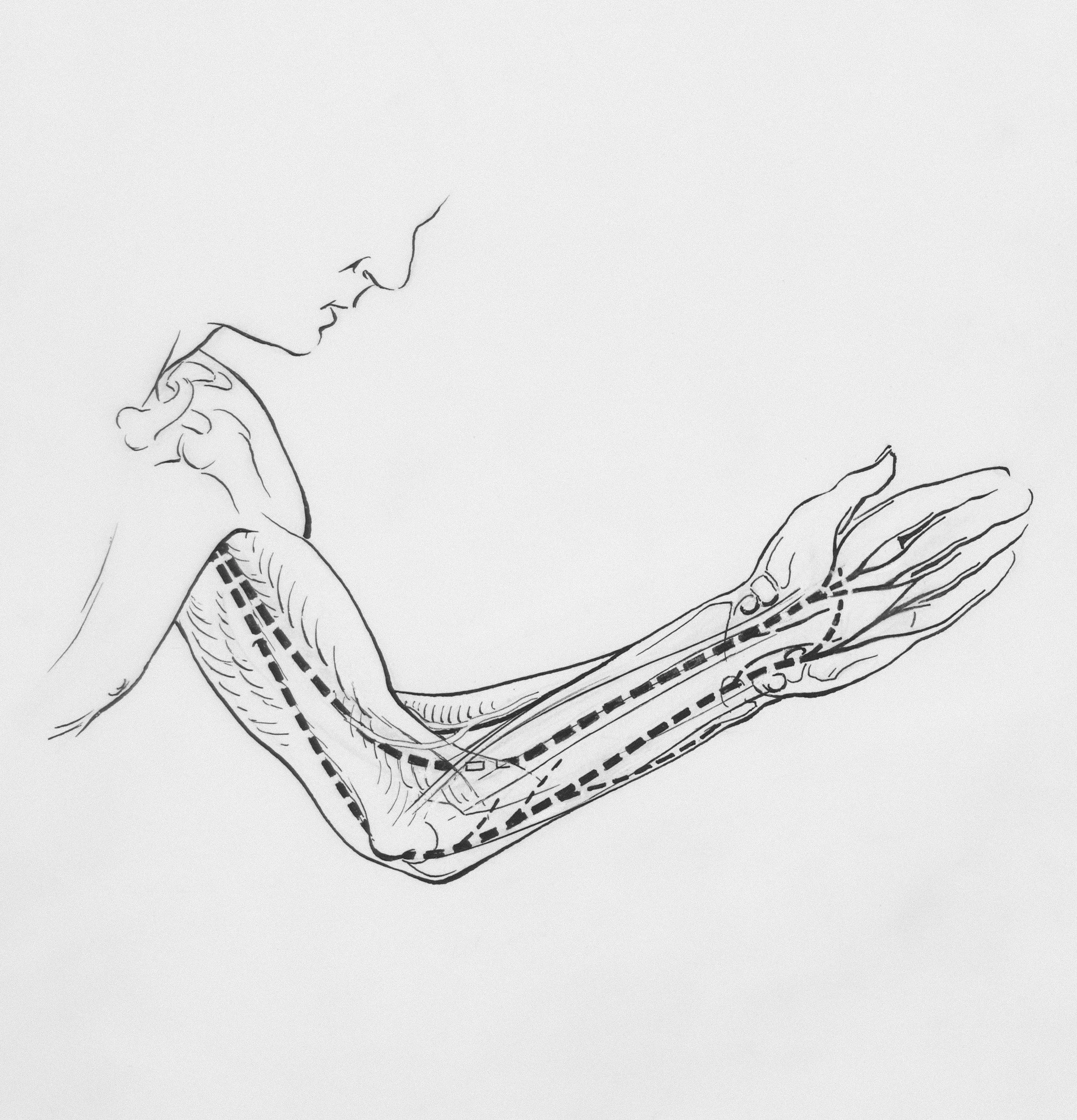
Despite its name, tennis elbow isn't just a condition that affects tennis players. In fact, many people who develop tennis elbow have never picked up a racket. Whether you're an office worker, tradesperson, gardener, gym enthusiast, or athlete, repetitive movements of the arm and wrist can lead to this painful condition.
The good news? With the right treatment and rehabilitation plan, most people make a full recovery.
What Is Tennis Elbow?
Tennis elbow, medically known as lateral epicondylitis, is an overuse injury that affects the tendons on the outside of the elbow. It develops when repetitive gripping, lifting, or wrist movements place excessive strain on the forearm muscles and tendons, causing small tears and irritation over time.
Without proper treatment, the pain can gradually worsen and begin to interfere with everyday activities.
What Causes Tennis Elbow?
Several activities can contribute to the development of tennis elbow, including:
Repetitive lifting or carrying.
Frequent computer and mouse use.
Manual jobs involving tools or machinery.
Racquet sports such as tennis or padel.
Weight training with poor technique.
DIY projects, painting, or gardening.
Often, the condition develops gradually rather than after a single injury.
Common Symptoms
People with tennis elbow may experience:
Pain on the outside of the elbow.
Tenderness when touching the bony part of the elbow.
Pain when gripping objects.
Weak grip strength.
Discomfort when lifting, twisting, or opening jars.
Pain that may spread into the forearm or wrist.
Symptoms can range from mild discomfort to persistent pain that affects daily life.
How Can Sports Therapy Help?
Sports therapy focuses on treating the underlying cause of the problem rather than simply masking the symptoms. Your treatment plan may include:
Sports Massage
Sports massage helps reduce tension in the forearm muscles, improve circulation, and decrease strain on the affected tendons. It can also help restore flexibility and reduce muscle tightness.
Soft Tissue Therapy
Targeted soft tissue techniques can improve tissue mobility and support the healing process while reducing discomfort.
Rehabilitation Exercises
Strengthening and stretching exercises are essential for long-term recovery. A therapist will guide you through a personalised rehabilitation programme to gradually rebuild tendon strength and reduce the risk of recurrence.
Activity Advice
Simple changes to your work, sport, or daily routine can reduce unnecessary strain on the elbow and speed up recovery.
Cupping Therapy
In some cases, cupping therapy may be used alongside other treatments to help improve blood flow, reduce muscle tightness, and promote relaxation in the surrounding muscles.
Can Massage Help Tennis Elbow?
Yes. While massage alone won't repair the injured tendon, it can be a valuable part of a comprehensive treatment plan. Massage helps reduce muscle tension, improve circulation, relieve pain, and prepare the tissues for rehabilitation exercises.
When combined with strengthening exercises and activity modification, massage can significantly improve recovery.
How Long Does Recovery Take?
Recovery depends on how long you've had symptoms and how severe the condition is. Mild cases may improve within a few weeks, while more persistent cases can take several months.
Following your treatment plan consistently—including exercises and advice from your therapist—will give you the best chance of a full recovery.
Can Tennis Elbow Be Prevented?
Although it isn't always preventable, you can reduce your risk by:
Warming up before exercise.
Strengthening your forearm muscles.
Taking regular breaks from repetitive tasks.
Using proper lifting and sporting techniques.
Avoiding sudden increases in training or workload.
Stretching regularly if your work involves repetitive arm movements.
Don't Let Elbow Pain Hold You Back
Tennis elbow can make even simple tasks frustrating, but early treatment can prevent the condition from becoming chronic.
If you're experiencing pain on the outside of your elbow, sports therapy can help identify the cause, reduce your pain, restore strength, and get you back to doing what you enjoy—whether that's sport, work, or everyday life.
Book an appointment today and take the first step towards a stronger, pain-free recovery.
